Radiology report screen
A radiology product needed the screen where a radiologist reads a study and signs the report. I am the sole front-end developer and the client’s day-to-day contact.
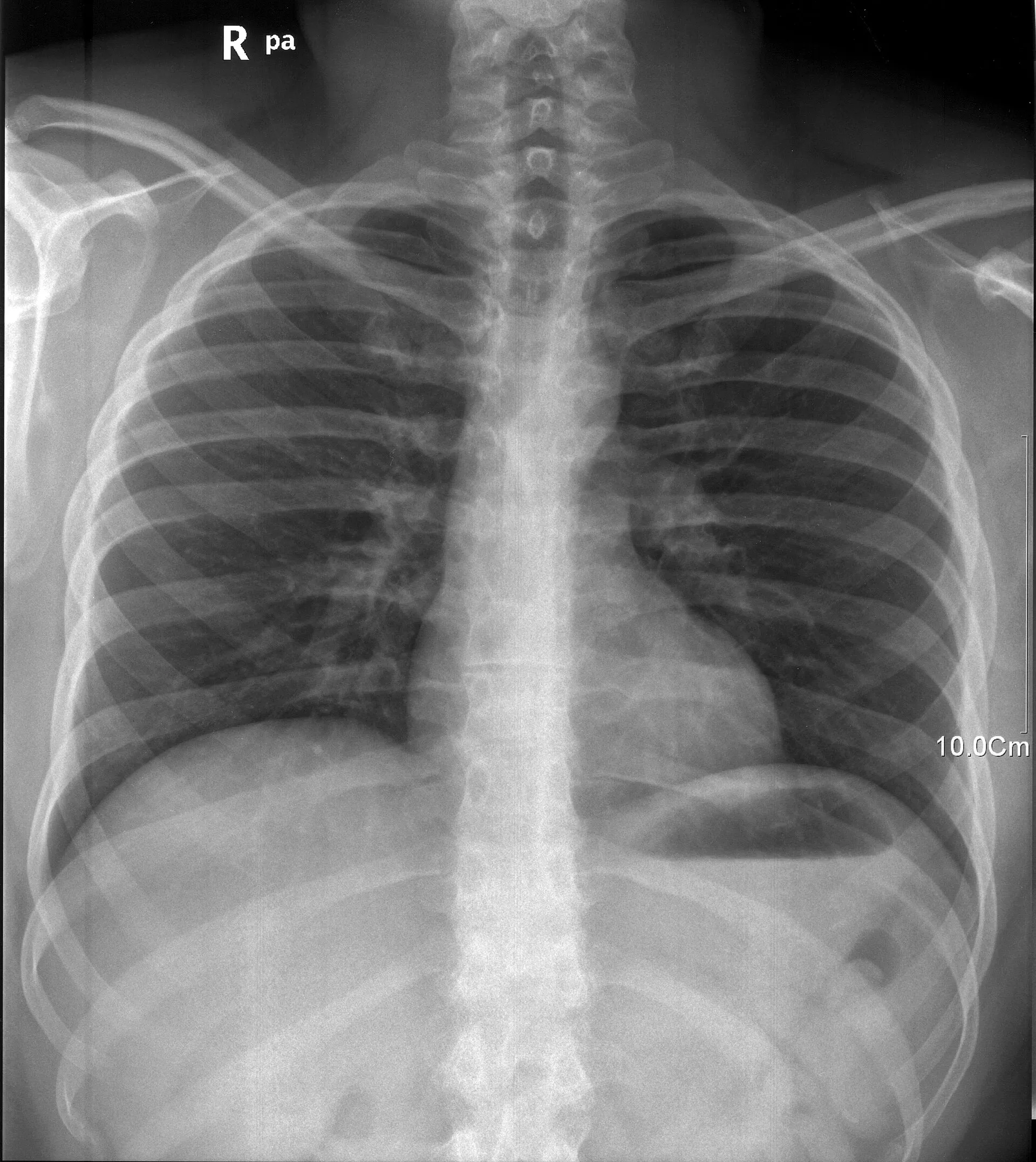 W 1500 · L −600
The problem
The screen shows medical images beside a structured report, so every field has to be correct, traceable and tested.
The product is on the FDA 510(k) path, so the front end needed written code standards that match what the code really does.
The API comes from another team, so the contract between the two had to be settled early and checked in code.
What it does
- DICOM image viewing with Cornerstone3D
- A structured report beside the image
- Sign-in with DPoP-bound tokens
- A typed API client checked with zod
- End-to-end tests against the client’s API
My role
I own the front end and I am the client’s main contact. I worked from an 88-requirement spec and sent 29 written questions to the API team before writing code against it.
I also wrote the IEC 62304-style front-end code standards for the submission.
- Sign in with DPoP-bound tokensMerged
- Typed API client with zodMerged
- Study list from the APIMerged
- Load the study into the viewerMerged
- Report fields from the APIMerged
- Save a report draftMerged
- Validation messagesMerged
- Sign and lock the reportMerged
- End-to-end tests against the APIMerged
Decisions
-
Ask before building
Before any integration code, I sent the API team 29 written questions on the spec, so gaps could show up on paper, where they are cheap to fix.
Time spent before the first line of integration code.
-
Nine small pull requests, not one large one
I shipped the integration as nine stacked pull requests, from DPoP sign-in to the typed API client, so each one could be reviewed on its own.
More branches to keep in sync as review comments came in.
-
Check every response at the boundary
A typed API client with zod schemas checks what the server sends before the screen uses it, so a contract change fails loudly in a test, not quietly in front of a radiologist.
Schemas to maintain alongside the API.
91Passed0Failed9Pull requestsVitest · zod-checked API client -
Write standards that are true
In the front-end code standards for the submission, I removed 14 claims that were not true.
A shorter document, in which every line can be shown in the code.
Results
- 91/91end-to-end tests pass against the client’s API
- 88requirements in the spec I worked from
- 9stacked pull requests for the integration
- 14untrue claims removed from the code standards
Tech
- Front end
- Vue 3, Vite, TypeScript
- Imaging
- Cornerstone3D for DICOM
- Contract
- zod schemas and a typed API client
- Auth
- OAuth with DPoP-bound tokens
- Testing
- Vitest and end-to-end tests
Next case study
A sleep-therapy platform and an AI mental-health companion, each built on AWS in Canada for a different client.
Hiring for a remote role in Canada? Tell me about it.
This opens your email app with your note, addressed to me.
- ekamxjot@gmail.com